
 English
 Español
 Portugues
 Pусский
 Français
 Deutsch
 日本語
日本語 한국어
한국어 العربية
 Italiano
 ไทย
ไทย Indonesia
 Melayu
 Tiếng Việt
 中文
中文 Magyar
 မြန်မာ
 ພາສາລາວ
 Filipino


Huajuhong, also known as Citri Grandis Exocarpium, is a traditional dried citrus botanical product associated with Huazhou, Guangdong, China. If you are new to Huajuhong, the name can be confusing because the product appears under several English names, including Citri Grandis Exocarpium, Tomentose Pummelo Peel, and Huazhou Dried Pomelo Peel. In simple terms, Huajuhong refers to a specially processed citrus peel product with a long history of traditional use.
Our company is based in Huazhou, Guangdong, where we focus on the planting, processing, aging, packaging, and export of Huajuhong. We work mainly with customers in Southeast Asia and provide standardized Huajuhong products for wholesale, retail, herbal tea, traditional botanical products, gifting, and private-label development.
What makes Huajuhong interesting is not only the dried peel itself. The real value comes from the combination of origin, suitable raw materials, processing, drying, aging, storage, quality control, and commercial presentation. For a buyer, understanding these details is much more useful than simply knowing the name.
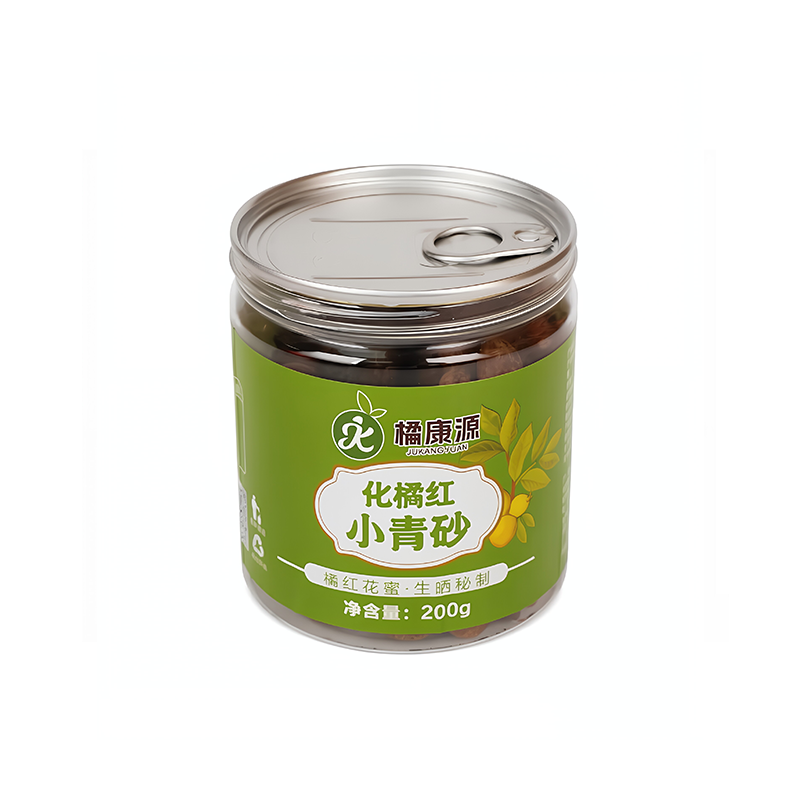
What Is Huajuhong?
Huajuhong is a traditional dried citrus peel product from Huazhou. In botanical and traditional product references, the name Citri Grandis Exocarpium is used to describe the dried outer peel associated with Citrus grandis materials. The geographical indication product system in Huazhou also provides a formal framework for Huajuhong Production and quality management.
The Chinese name 化橘红 is commonly romanized as Huajuhong. Depending on the market and application, buyers may search for Huajuhong, Citri Grandis Exocarpium, tomentose Pummelo Peel, dried pomelo peel, or Huazhou Dried Pomelo Peel. These different terms can describe closely related product concepts, but commercial buyers should always confirm the botanical source, origin, processing method, and product specification with the supplier.
Our Huajuhong products are developed around Huazhou origin and traditional product characteristics. We do not treat Huajuhong as an ordinary dried citrus commodity. Our work covers standardized planting, raw material selection, processing, drying, aging, inspection, packaging, and export preparation.
For buyers searching for Huajuhong Supplier or Citri Grandis Exocarpium supplier, this complete supply chain matters. The final product should have a clear origin, stable quality, suitable packaging, and a supply process that can support repeat commercial orders.
Why Is Huajuhong Associated With Huazhou?
Huazhou is closely connected with the identity of Huajuhong. Our company is located in Huazhou, Guangdong, and we focus specifically on this regional botanical product. The local geographical indication system provides standards for Huajuhong and covers important areas such as product requirements, processing, inspection, packaging, transportation, and storage.
This origin connection is important when purchasing Huajuhong because not every dried citrus peel product should automatically be called Huajuhong. For international buyers, origin is one of the first questions to ask. A product may look similar to Huajuhong but have a different botanical source, production area, or processing history.
We therefore place strong attention on local-origin raw materials. Our planting and sourcing system covers seed selection, seedling cultivation, field maintenance, harvesting, drying, and later processing. We also avoid mixing unknown or inferior materials simply to reduce production cost.
For us, Huajuhong is a complete product system rather than just a keyword. From planting to export, each stage can influence the final appearance, aroma, stability, and commercial value of Huajuhong.
What Is Citri Grandis Exocarpium?
Citri Grandis Exocarpium is the botanical-style name commonly used for Huajuhong in traditional Chinese materia medica and related English materials. “Exocarpium” refers to the outer fruit covering or peel. This terminology helps distinguish the product from the fresh pomelo fruit itself.
For someone searching online, the relationship is simple: Huajuhong is the common product name, while Citri Grandis Exocarpium is a formal botanical and traditional-material term used in professional contexts.
However, buyers should not rely on the English name alone. A reliable product specification should identify the product clearly and explain its origin, processing form, packaging, intended application, and quality requirements.
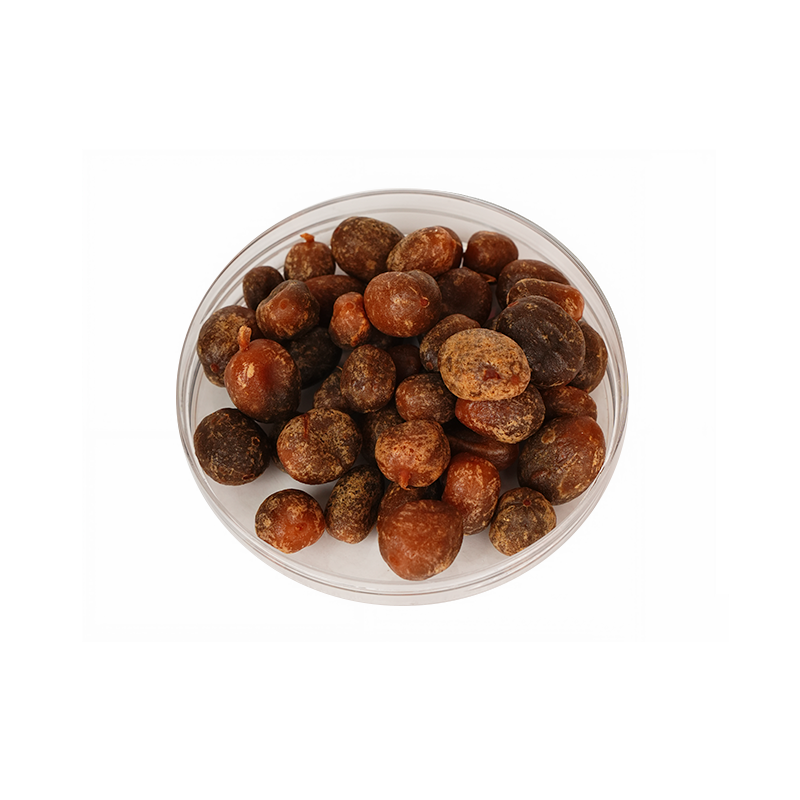
Our Huajuhong products are prepared as dried botanical materials rather than fresh fruit. Depending on the product, we can supply whole Huajuhong fruit, HuaJuhong Slices, aged Huajuhong, fetal fruit products, and Huajuhong Herbal Tea products.
What Does Huajuhong Look and Smell Like?
Huajuhong normally has the appearance of dried citrus peel rather than fresh fruit. The exact color, texture, thickness, and surface appearance can vary according to raw material, processing method, drying conditions, aging period, and storage environment.
One of the easiest characteristics to notice is the citrus aroma. Dried citrus peel naturally contains volatile compounds, including various terpenes and related aromatic compounds. Scientific reviews of citrus peel essential oils report monoterpenes, sesquiterpenes, and oxygenated derivatives among the major chemical groups, with limonene frequently identified in citrus peel oils. These findings describe citrus peel generally and should not be treated as a chemical specification for every Huajuhong batch.
Good Huajuhong should be evaluated as a complete product rather than by aroma alone. We normally consider appearance, cleanliness, dryness, product form, storage condition, and packaging integrity when preparing commercial orders.
For premium aged Huajuhong, buyers may also pay attention to the maturity of the appearance and aroma. Aging is a long-term process, so storage management is just as important as the original raw material.
How Is Huajuhong Made?
Making Huajuhong is not simply a matter of drying citrus peel in the sun. Commercial Huajuhong production involves several stages, and each stage has a purpose.
Raw Material Selection
We begin with suitable raw materials. Our company works with standardized planting and sourcing practices in Huazhou. We pay attention to seed selection, seedling cultivation, field management, and harvesting. The purpose is to create a more stable starting point for Huajuhong production.
Harvesting
Suitable fruit is collected according to the intended processing requirements. Manual selection helps remove obviously unsuitable material before further processing.
Cleaning and Processing
The selected fruit is cleaned and processed according to the intended Huajuhong product format. Different formats may include whole fruit and sliced products. Processing should be controlled carefully because excessive handling can affect appearance and product consistency.
Drying
Drying is one of the most important stages. The purpose is to reduce moisture and create a stable dried material suitable for storage. Uneven drying can create quality problems later, so we pay attention to drying condition and product uniformity.
Grading and Inspection
After drying, Huajuhong is checked and graded according to the agreed product requirements. Appearance, cleanliness, dryness, size, and overall condition can be considered depending on the product specification.
Aging and Storage
For aged Huajuhong, storage becomes an important part of the product. Aging takes time. It cannot be replaced by a short processing cycle or simply added to a product label. We manage aged Huajuhong according to its storage period and pay attention to moisture protection, cleanliness, ventilation, and handling.
Packaging
Finally, Huajuhong is packed according to the sales channel. We can provide moisture-resistant inner bags, cartons, woven bags, retail packaging, gift packaging, and customized packaging solutions. OEM and private-label packaging can also be discussed for qualified customers.
What Natural Compounds Are Found in Citrus Peel?
Scientific research has shown that citrus peel is a rich source of natural compounds. Reviews have discussed flavonoids, phenolic compounds, essential oils, pectin, limonoids, dietary fiber, and other components in citrus peel. This is one reason citrus peel continues to attract interest from the food, botanical, and functional ingredient industries.
Research on Citrus grandis and pomelo peel has also reported a range of phytochemicals and aroma-related compounds. A review of pomelo peel describes essential oils, polysaccharides, flavonoids, phenolic acids, carotenoids, coumarins, and other components. Again, these research findings provide scientific background for citrus and pomelo peel; they should not be interpreted as a laboratory result for a particular commercial Huajuhong batch.
For this reason, we use scientific information carefully when presenting Huajuhong. We can explain the traditional botanical background and the natural composition of citrus peel, but we do not use general laboratory research to make unsupported medical promises about our finished Huajuhong products.
This approach is especially important for international buyers. Product descriptions should be clear enough for consumers to understand while remaining responsible about what has actually been tested.
Traditional Uses of Huajuhong
Huajuhong has a long history of traditional use as a botanical product. Today, Huajuhong can be found in different product forms, including dried whole fruit, dried peel slices, herbal tea blends, traditional botanical preparations, and gift products.
In modern commercial applications, we see several common directions. Huajuhong can be used as an ingredient in herbal tea, a traditional botanical material, a specialty dried citrus product, or a premium gift item. Its citrus aroma also makes it interesting for beverage and botanical product development.
Our company develops Huajuhong products for both traditional and modern markets. We supply original Huajuhong fruit, premium slices, fetal fruits, herbal wellness teas, and related derivative products.
For Southeast Asian buyers, Huajuhong can also be introduced through different retail channels. Depending on local requirements, it may be positioned in specialty food stores, herbal stores, wellness-oriented retail, supermarkets, tea shops, gifting channels, and wholesale distribution.
Health-related descriptions should always be handled carefully. Traditional use does not automatically mean that a commercial product has been clinically proven to treat a specific disease. We therefore recommend describing Huajuhong around its botanical identity, traditional background, product quality, origin, processing, and intended use.
Huajuhong Herbal Tea and Daily Use
Huajuhong herbal tea is one of the more convenient ways to use dried Huajuhong as a traditional botanical ingredient. Whole Huajuhong can be cut into smaller pieces, while ready-to-use Huajuhong slices can be prepared more directly.
For commercial tea brands, Huajuhong can be combined with other suitable botanical ingredients according to the intended product formula. The final tea product should follow the applicable food regulations of the target market.
Our company also develops herbal wellness tea products based on Huajuhong. We combine traditional product knowledge with modern processing and packaging requirements, making the products easier for Southeast Asian distributors and retailers to handle.
When developing Huajuhong herbal tea, we suggest paying attention to three basic points: raw material quality, recipe consistency, and packaging protection. A good tea product needs more than a good ingredient. The finished package must also protect the material from moisture, contamination, and physical damage.
How to Choose High-Quality Huajuhong
When purchasing Huajuhong, I recommend starting with the supplier rather than the package design. A beautiful package cannot replace good raw materials and proper processing.
First, check the origin. Ask where the Huajuhong comes from and whether the supplier can clearly explain the sourcing process.
Second, check the product form. Is it whole fruit, peel slices, processed material, or a tea blend? Different formats are suitable for different applications.
Third, check the aging information if the product is marketed as aged Huajuhong. The stated aging period should be clear and should not simply be a marketing number.
Fourth, check the physical condition. Cleanliness, dryness, appearance, aroma, and packaging should match the agreed product specification.
Fifth, ask about quality control. A professional Huajuhong supplier should be able to explain how the product is processed, inspected, packed, and prepared for shipment.
Finally, if you are buying for export, check the destination-market requirements before ordering in bulk. Food and botanical product regulations can vary between countries.
Our Huajuhong Production and Quality Control
Our company has built its Huajuhong business around a complete production chain. We combine standardized planting, intensive processing, independent R&D, cross-border export, and brand development.
Our planting management includes seed selection, seedling cultivation, field maintenance, and manual harvesting. We focus on local-origin materials and reject inferior or adulterated raw materials.
Our processing system combines traditional processing knowledge with modern production management. We have established standardized dust-free production lines and quality-control procedures covering drying, aging, sterilization where applicable, testing, and aseptic packaging.
For commercial buyers, we check product condition before shipment according to the agreed specification. Typical inspection points can include appearance, cleanliness, dryness, quantity, packaging integrity, and labeling requirements.
This is especially important for Huajuhong wholesale. A wholesale buyer needs stable supply rather than one attractive sample. Our goal is to make repeat orders easier by keeping the product specification and supply process clear.
Huajuhong for Southeast Asian Markets
Our company focuses strongly on Southeast Asia. We have developed our export business around markets including Vietnam, Thailand, Malaysia, Indonesia, and Singapore.
Each market has its own consumer habits and import requirements. That is why we do not use exactly the same packaging strategy for every customer. Some buyers need bulk packaging for distribution. Others need retail-ready packages, gift boxes, jars, or private-label packaging.
We support large-volume foreign trade orders and customized packaging. For qualified customers, we can also discuss OEM Huajuhong and private-label projects.
Our logistics options include sea freight, air freight, and express delivery according to order size and delivery requirements. For regular wholesale orders, the normal production and preparation period is around 7–20 working days after order confirmation, depending on quantity, stock availability, packaging, and customization.
For payment, international wholesale orders are generally arranged by T/T, with a deposit before production or preparation and the balance before shipment according to the agreed commercial terms.
Huajuhong Wholesale and Private Label Supply
As a Huajuhong Wholesale Supplier, we understand that buyers may need different product forms for different sales channels. Some customers need whole Huajuhong fruit for premium retail. Some need Dried Pomelo Peel Slices for tea production. Others need Huajuhong herbal tea or customized gift products.
Our product range allows us to discuss these requirements individually. We can work with distributors, supermarkets, specialty stores, wellness retailers, tea businesses, and private-label brands.
Customized packaging can include moisture-resistant inner bags, cartons, woven bags, retail boxes, gift packaging, labels, and other formats according to the project. For large orders, packaging specifications should be confirmed before production so that lead time and logistics can be arranged properly.
Why Choose Our Huajuhong?
Our main advantage is our focus. We are not trying to sell every type of dried botanical product. Our business is built around Huajuhong and its related product range.
We are located in Huazhou, Guangdong, and work around the local Huajuhong industry. We combine planting, processing, R&D, quality control, packaging, and export services. This gives us a better understanding of the product from raw material to finished package.
We also understand the needs of Southeast Asian buyers. Stable quality, reasonable lead time, practical packaging, clear communication, and reliable delivery are all important when building a long-term supply relationship.
Our development philosophy is to use technology to improve the Huajuhong industry while maintaining the traditional value of the product. We want Huajuhong to be recognized not only as a traditional Chinese botanical product but also as a standardized commercial product suitable for international markets.
Huajuhong FAQ
Is Huajuhong the same as Citri Grandis Exocarpium?
Huajuhong is the common name used for the traditional product, while Citri Grandis Exocarpium is a formal botanical and traditional-material term commonly associated with it. Buyers should still confirm the exact raw material and product specification with their supplier.
What is Huajuhong made from?
Huajuhong is a dried citrus peel product associated with Huazhou and Citrus grandis materials. The specific processing form may vary, so commercial buyers should check the supplier's product specification.
What is Huajuhong Used for?
Huajuhong is traditionally used as a dried botanical material and can be supplied as whole fruit, slices, herbal tea ingredients, and related products. Modern commercial applications include herbal tea, specialty retail, gifting, botanical products, and further product development.
Can Huajuhong be used to make tea?
Yes. Dried Huajuhong can be used as a traditional herbal tea ingredient. Whole fruit can be processed into smaller pieces, while Huajuhong slices are more convenient for direct preparation.
What is the difference between Huajuhong and ordinary dried pomelo peel?
Huajuhong has a specific regional identity and traditional processing background associated with Huazhou. Ordinary dried pomelo peel can come from different varieties, regions, and processing systems. The origin and product specification should therefore be checked before making a direct comparison.
Can I buy Huajuhong wholesale?
Yes. We provide Huajuhong wholesale supply for distributors, retailers, tea businesses, wellness stores, and other commercial buyers. Bulk orders, customized packaging, OEM, and private-label cooperation can be discussed.
Do you supply Huajuhong to Southeast Asia?
Yes. Southeast Asia is our main overseas market focus, including Vietnam, Thailand, Malaysia, Indonesia, and Singapore. We prepare products according to the agreed product specifications and applicable destination-market requirements.
How long does Huajuhong production take?
For regular wholesale orders, our normal production and preparation period is around 7–20 working days after order confirmation. The actual lead time depends on quantity, stock, packaging, customization, and other order requirements.
Conclusion
Huajuhong is much more than a name for dried citrus peel. It represents a traditional Huazhou product with a specific regional identity, botanical background, processing history, and growing international market.
Citri Grandis Exocarpium is an important professional term for buyers researching Huajuhong, while terms such as tomentose pummelo peel and Huazhou dried pomelo peel can also appear in international searches. Understanding these names makes it easier to compare products and communicate with suppliers.
From our perspective, the quality of Huajuhong starts with the raw material and continues through planting, harvesting, processing, drying, aging, inspection, packaging, and export. We have built our company around this complete process because stable supply is essential for international buyers.
We are based in Huazhou, Guangdong, and focus on supplying authentic, standardized Huajuhong products to Southeast Asian markets. Our product range includes whole Huajuhong fruit, aged Huajuhong, dried Huajuhong slices, fetal fruit, herbal tea, and related products. We also support wholesale orders, customized packaging, OEM, and private-label cooperation.
For buyers looking for a reliable Huajuhong supplier, Citri Grandis Exocarpium supplier, or Huajuhong Wholesale Supplier, our goal is simple: provide clear product information, stable quality, practical packaging, efficient delivery, and long-term supply support.
By combining the traditional value of Huajuhong with modern planting, processing, quality management, and international trade practices, we aim to bring Authentic Huajuhong from Huazhou to more customers in Southeast Asia and other international markets.
មតិយោបល់
(0)