

SEO Description: Huajuhong Herbal Tea is a traditional botanical tea made with Huajuhong, a distinctive dried citrus peel associated with Huazhou, Guangdong. Learn about Huajuhong Herbal Tea ingredients, traditional uses, brewing methods, flavor, storage, serving ideas, quality selection, wholesale supply, and customized packaging for Southeast Asian markets.
Huajuhong Herbal Tea: Ingredients, Uses and Brewing Guide
Huajuhong Herbal Tea is a traditional botanical tea prepared with Huajuhong, a distinctive dried citrus peel associated with Huazhou, Guangdong. With its natural citrus aroma, dried peel character, and traditional botanical background, Huajuhong Herbal Tea has become an interesting choice for people looking for a simple citrus-based herbal drink.
The basic ingredient of Huajuhong Herbal Tea is Huajuhong, commonly associated with the dried outer peel of Citrus grandis 'Tomentosa'. Depending on the product specification, Huajuhong can be supplied as whole dried fruit, larger peel pieces, slices, or other convenient formats. The choice of format influences preparation, brewing speed, appearance, and packaging.
Our Huajuhong Herbal Tea materials are sourced and processed in Huazhou, Guangdong. Our supply system combines standardized planting, whole-process cultivation management, careful harvesting, cleaning, cutting, drying, grading, inspection, and protective packaging. We also support wholesale supply, OEM, and private-label projects for customers serving Southeast Asian markets.
Huajuhong Herbal Tea is a tea-style botanical preparation using Huajuhong as the main ingredient. Unlike conventional tea made from Camellia sinensis leaves, Huajuhong Herbal Tea is based on dried citrus peel. It can be brewed on its own or combined with other suitable botanical ingredients to create different flavor profiles.
The term Huajuhong is closely connected with Huazhou and Citrus grandis 'Tomentosa'. In traditional botanical terminology, the dried material is associated with Citri Grandis Exocarpium. Historical research has documented the development of this botanical material, including its plant source, harvesting, processing, and standardization.
This distinction is useful when discussing Huajuhong Herbal Tea because not every Dried Pomelo Peel product has the same botanical origin. Different citrus cultivars and growing regions can produce different physical and chemical characteristics. Buyers should therefore confirm the botanical source and origin when purchasing commercial Huajuhong Herbal Tea materials.
The primary ingredient in Huajuhong Herbal Tea is Huajuhong. Depending on the formulation, the tea may contain only dried Huajuhong or may include other compatible botanical ingredients. A single-ingredient Huajuhong Herbal Tea provides a straightforward way to experience the natural citrus aroma and traditional character of the dried peel.
When preparing a commercial Huajuhong Herbal Tea blend, ingredient selection should be based on aroma, taste, appearance, compatibility, processing requirements, and the regulations applicable to the destination market. A clear ingredient specification helps manufacturers maintain consistency between batches.
Our Huajuhong materials can be processed into different formats according to customer requirements. Whole pieces provide a traditional appearance, while slices offer convenient portioning and brewing. Smaller pieces can also be considered for tea bags or blended botanical products.
Huajuhong gives Huajuhong Herbal Tea its distinctive identity. The dried peel has a natural citrus fragrance and a characteristic peel flavor that can range from aromatic and mildly bitter to deeper and more rounded depending on processing and aging.
Research on Citrus grandis 'Tomentosa' has identified naturally occurring flavonoids, coumarin-related compounds, volatile components, and other phytochemicals. However, the chemical profile can vary according to cultivar, growing stage, geographic origin, and processing conditions.
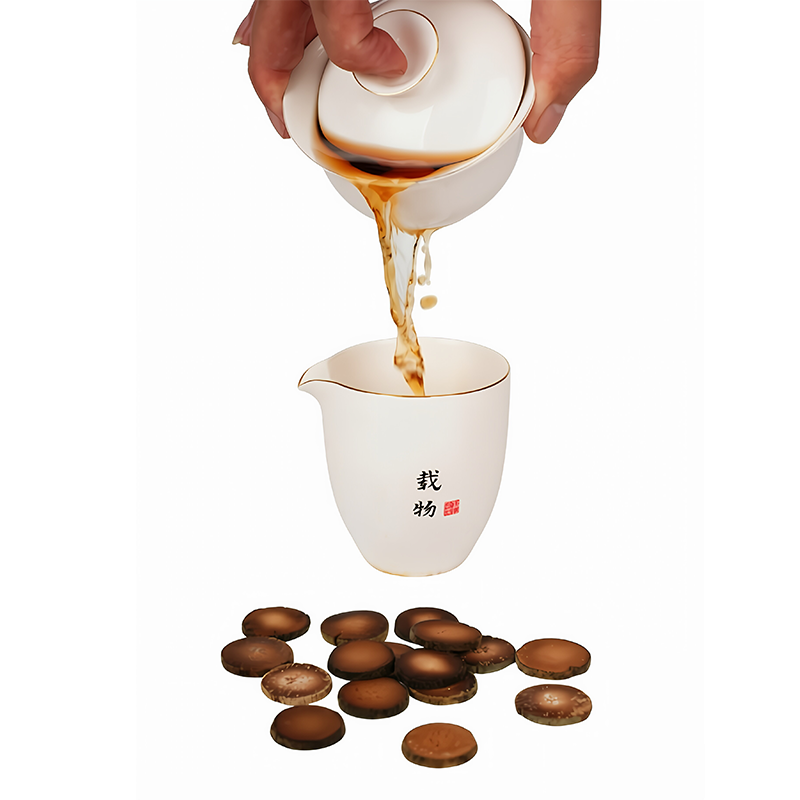
Huajuhong Herbal Tea has a natural citrus character. The aroma can be fresh, fragrant, and slightly earthy, while the taste may include a mild bitter note typical of citrus peel. The final flavor depends on the amount of Huajuhong, water volume, brewing time, temperature, and whether other ingredients are included.
A lighter preparation of Huajuhong Herbal Tea generally gives a softer citrus aroma. Using more dried peel or allowing the tea to steep longer can create a stronger flavor. For first-time users, starting with a moderate quantity is usually easier than making a very concentrated cup.
The flavor of Huajuhong can also change during storage and aging. Drying and subsequent storage may influence the aroma profile and chemical composition of citrus peel. This is why two products with similar appearance can produce noticeably different brewing results.
Huajuhong Herbal Tea is connected with the traditional use of Huajuhong as a botanical material. In traditional practice, dried citrus materials have been prepared in different ways, including decoctions and tea-style preparations.
Today, many consumers use Huajuhong Herbal Tea simply as a traditional botanical drink with a distinctive citrus aroma. It can be enjoyed at home, served as part of a tea selection, or developed into a packaged botanical tea product.
It is important to distinguish traditional use from modern medical claims. Research into Citrus grandis 'Tomentosa' and related citrus materials is ongoing, but laboratory findings should not automatically be presented as proof that Huajuhong Herbal Tea can treat or prevent a disease. Responsible product communication should focus on its botanical identity, traditional background, flavor, preparation, and ingredient characteristics.
Preparing Huajuhong Herbal Tea is relatively simple. You need Huajuhong, hot water, and a suitable cup or teapot. The exact amount and brewing time can be adjusted according to the desired flavor.
Choose clean, properly dried Huajuhong for your Huajuhong Herbal Tea. Check the appearance, aroma, dryness, and packaging condition before brewing. The material should be suitable for the intended tea application.
For commercial tea production, the botanical source and product specification should be confirmed before production. This can include the form of Huajuhong, size, appearance, dryness, packaging, and inspection requirements.
A quick rinse can be used before preparing Huajuhong Herbal Tea when appropriate. The purpose is to remove loose particles from the surface and prepare the dried peel for brewing.
There is normally no need to soak the Huajuhong for a long period before brewing. A brief rinse followed by hot-water preparation is a practical approach for everyday use.
Place the Huajuhong into a cup or teapot and add hot water. The heat helps release the natural aroma and soluble components from the dried peel.
When preparing Huajuhong Herbal Tea, the water volume should match the amount of dried peel. A larger quantity of water produces a lighter drink, while a smaller quantity creates a more concentrated flavor.
Let the Huajuhong Herbal Tea steep for several minutes. Watch the color and aroma, then taste the tea. If the flavor is too light, allow additional brewing time. If it is too strong or bitter, reduce the amount of Huajuhong or shorten the next infusion.
There is no universal brewing time for every Huajuhong Herbal Tea product. Slice thickness, drying method, aging, and product form can all affect extraction.
The amount of Huajuhong Used in Huajuhong Herbal Tea depends on cup size, slice thickness, desired flavor, and whether the tea contains other ingredients. A moderate quantity is a practical starting point for individual preparation.
For commercial Huajuhong Herbal Tea, the recipe should be standardized by weight rather than relying on visual estimates. A commercial formulation can specify the weight of Huajuhong per serving, water volume, brewing temperature, brewing time, and other ingredients.
Standardization is particularly important for tea manufacturers because consumers expect the flavor of the same product to remain reasonably consistent from one package to another.
Yes, Huajuhong Herbal Tea can often be infused more than once, depending on the thickness and quality of the dried peel. The second infusion is generally lighter than the first, but it can still provide a pleasant citrus aroma.
Thicker Huajuhong pieces may retain more flavor after the first infusion. Very thin pieces may release much of their soluble flavor during the initial brewing. Users can decide whether a second infusion is worthwhile based on taste and aroma.
After brewing, wet Huajuhong should not be treated like dry material. It should be handled promptly rather than left at room temperature for an extended period.
Huajuhong Herbal Tea can be used as a base for botanical tea blends. Its citrus aroma can complement other suitable plant ingredients and provide a recognizable citrus note.
For example, a product developer may combine Huajuhong with other botanical tea materials to create a more complex aroma and flavor. The final combination should be tested for taste, appearance, stability, packaging, and market-specific requirements.
The proportion of Huajuhong should be carefully controlled. Too much Huajuhong can make the tea strongly citrusy or bitter, while too little may make the citrus character difficult to notice.
| Brewing Factor | Practical Tip |
|---|---|
| Ingredient | Use clean, properly dried Huajuhong. |
| Quantity | Start with a moderate amount and adjust to taste. |
| Water | Use clean hot water suitable for tea preparation. |
| Brewing Time | Steep for several minutes and adjust according to flavor. |
| Flavor | Shorter brewing gives a lighter profile; longer brewing gives a stronger profile. |
| Second Infusion | Thicker pieces may be suitable for another infusion. |
| Storage | Keep unused Huajuhong dry and protected from humidity. |
The quality of Huajuhong Herbal Tea begins with the processing of the Huajuhong itself. Cleaning, cutting, drying, grading, storage, and aging can influence the final appearance, aroma, texture, and brewing performance.
Research into citrus medicinal and edible materials indicates that processing can change the composition of naturally occurring compounds through processes including oxidation, hydrolysis, polymerization, and isomerization.
For this reason, our Huajuhong Herbal Tea supply focuses on controlled production rather than simply drying harvested material. Our process includes standardized planting, whole-process management, careful harvesting, modern processing, drying, grading, testing, and packaging.
Our Huajuhong Herbal Tea materials are associated with Huazhou, Guangdong. We focus on maintaining the origin characteristics of Huajuhong while applying modern production management.
The production process begins with selected planting material and standardized cultivation. Field management continues through the growing period, followed by manual harvesting and careful raw material selection.
After harvesting, the material goes through cleaning, processing, drying, grading, and inspection. Depending on the product, aging and additional quality-control procedures can also be included.
Our modern dust-controlled production lines are designed to improve processing conditions and product consistency. Before shipment, products can be checked according to agreed specifications covering appearance, cleanliness, dryness, size, quantity, and packaging integrity.
When selecting Huajuhong Herbal Tea, buyers should not focus on appearance alone. Botanical source, origin, harvesting stage, processing history, drying conditions, storage, and packaging all contribute to product quality.
Good Huajuhong should have a natural citrus character and an appearance consistent with the agreed product specification. Excessive moisture, unusual odors, foreign materials, or inconsistent sizing can indicate that further inspection is needed.
For commercial buyers, a clear specification is particularly useful. The specification can define botanical source, product form, size, dryness, packaging, inspection items, quantity, and delivery requirements before an order is confirmed.
Proper storage helps preserve the quality of Huajuhong Herbal Tea materials. Dried Huajuhong should be protected from excessive humidity, water exposure, contamination, and unsuitable storage conditions.
For household use, keep the dried material in a sealed container after opening. Avoid storing Huajuhong near steam, sinks, or other high-humidity areas.
For wholesale supply, moisture-resistant inner bags can be combined with cartons, woven bags, or customized packaging. Packaging should be selected according to transportation conditions, storage time, destination climate, and final distribution requirements.
Huajuhong Herbal Tea can be developed for Southeast Asian consumers who are interested in botanical tea and Traditional Citrus ingredients. Our main export-oriented markets include Vietnam, Thailand, Malaysia, Indonesia, and Singapore.
We provide Huajuhong materials and finished-product solutions for tea businesses, botanical product manufacturers, retailers, distributors, specialty food businesses, and wholesale customers.
Depending on the project, Huajuhong Herbal Tea can be supplied as bulk dried material, packaged tea ingredients, retail products, gift products, or private-label products. Customized packaging can be discussed according to the customer's market positioning.
Import and labeling requirements can differ between Southeast Asian countries and product categories. Buyers should therefore confirm the applicable local requirements before commercial importation.
For wholesale customers, Huajuhong Herbal Tea materials can be supplied according to agreed specifications, quantities, and packaging requirements. Standard production lead time is normally around 7–20 working days after order confirmation, depending on order quantity, raw material availability, processing requirements, packaging, and customization.
Payment is generally arranged by T/T, with a deposit before production and the balance before shipment. Sea freight is suitable for larger orders, while air freight or express delivery can be considered for samples and smaller shipments.
We also support OEM and private-label cooperation for qualified customers. Customized retail packaging can include moisture-resistant inner packaging, cartons, gift boxes, or other formats according to the project requirements.
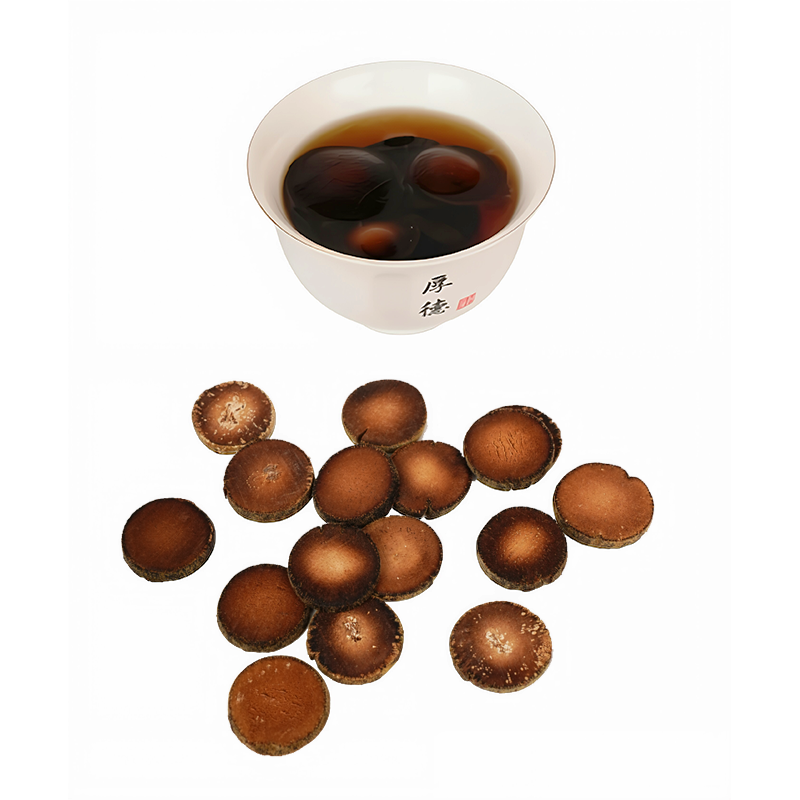
Huajuhong Herbal Tea is suitable for more than everyday home brewing. With appropriate packaging, it can be developed as a retail botanical tea, traditional citrus tea, specialty gift, or premium wellness-oriented product.
The visual presentation of Huajuhong can be important in gift products. Whole pieces or carefully cut slices can create a recognizable natural appearance, while premium packaging can help protect the product during transportation and improve shelf presentation.
For Southeast Asian distributors, packaging can be customized according to local consumer preferences, product positioning, order quantity, and retail channel. This makes Huajuhong Herbal Tea suitable for both bulk distribution and finished retail products.
Huajuhong Herbal Tea contains naturally occurring citrus compounds originating from the dried peel. Scientific studies have examined flavonoids, volatile components, coumarins, and other phytochemicals in Citrus grandis 'Tomentosa' and related citrus materials.
However, the presence of a natural compound does not automatically mean that drinking Huajuhong Herbal Tea produces a specific medical effect. Composition can vary with cultivar, geographical origin, harvesting stage, drying, processing, and storage.
For this reason, our product descriptions focus on botanical identity, traditional use, flavor, preparation, processing, and quality rather than unsupported therapeutic promises.
One common mistake is using too much Huajuhong when making Huajuhong Herbal Tea for the first time. Citrus peel can have a naturally strong and mildly bitter flavor, so excessive quantities may make the tea unbalanced.
Another mistake is brewing for too long without tasting the tea. If the flavor becomes too strong, reduce the brewing time or use fewer pieces during the next preparation.
Poor storage is another problem. Even properly dried Huajuhong can absorb moisture if the package is repeatedly opened in a humid environment. A sealed container or moisture-resistant package is therefore recommended.
Huajuhong Herbal Tea is primarily made from Huajuhong, a dried citrus peel material associated with Citrus grandis 'Tomentosa' and Huazhou, Guangdong. Some commercial products may combine Huajuhong with other suitable botanical ingredients.
To prepare Huajuhong Herbal Tea, place a moderate amount of clean dried Huajuhong in a cup or teapot, add hot water, and allow it to steep for several minutes. Adjust the quantity and brewing time according to taste.
Huajuhong Herbal Tea generally has a natural citrus aroma and a characteristic peel flavor that can include mild bitterness. The exact taste depends on the botanical source, processing, drying, aging, quantity, and brewing time.
Yes. Huajuhong Herbal Tea can be combined with suitable botanical tea ingredients. The final blend should be tested for flavor, aroma, stability, packaging, and compliance with requirements applicable to the target market.
Keep the dried material used for Huajuhong Herbal Tea in a clean, dry, sealed package. Protect it from excessive humidity, direct water exposure, and strong odors. Moisture-resistant packaging is particularly useful in humid climates.
Yes. Huajuhong Herbal Tea materials and finished products can be supplied for wholesale, retail, herbal tea production, gifting, distribution, OEM, and private-label projects. Specifications, packaging, quantity, and delivery arrangements can be discussed before production.
Yes. We support export-oriented supply of Huajuhong Herbal Tea products and materials for Southeast Asian customers. Destination-specific requirements for ingredients, labeling, packaging, documentation, and import procedures should be confirmed before shipment.
Huajuhong Herbal Tea combines the traditional identity of Huajuhong with a simple and convenient tea preparation method. Its main appeal comes from the natural citrus aroma, dried peel character, traditional botanical background, and flexible use as a standalone tea ingredient or part of a botanical blend.
Making Huajuhong Herbal Tea is straightforward. Select clean dried Huajuhong, rinse it briefly when appropriate, add hot water, allow it to steep for several minutes, and adjust the quantity or brewing time according to taste.
The quality of Huajuhong Herbal Tea depends on much more than brewing. Botanical source, Huazhou origin, cultivation, harvesting, cleaning, drying, grading, storage, and packaging all influence the final product. Our production approach combines standardized planting and modern processing with careful inspection and export-oriented packaging.
For customers in Vietnam, Thailand, Malaysia, Indonesia, Singapore, and other international markets, we provide Huajuhong Herbal Tea materials and customized supply solutions for wholesale, retail, gifting, herbal tea, botanical products, OEM, and private-label applications.
Copyright @ Xiangyun Platform Information Technology Co., Ltd All rights reserved Filing Number: CP Reserve123456789-1
Powered by Xiangyun Platform Technical Support: Xiangyun Platform Disclaimer Website Map | RSS | XML
ផែនទីគេហទំព័រគេហទំព័រនេះប្រើខូឃី ដើម្បីធានាថាអ្នកទទួលបានបទពិសោធន៍ល្អបំផុតនៅលើគេហទំព័ររបស់យើង។
 English
 Español
 Portugues
 Pусский
 Français
 Deutsch
 日本語
日本語 한국어
한국어 العربية
 Italiano
 ไทย
ไทย Indonesia
 Melayu
 Tiếng Việt
 中文
中文 Magyar
 မြန်မာ
 ພາສາລາວ
 Filipino


មតិយោបល់
(0)